• Menu
  • Skip to right header navigation
  • Skip to main content
  • Skip to secondary navigation
  • Skip to primary sidebar
  • Skip to footer

Before Header

Bryghtpath

Business Continuity and Crisis Management Consultants

  • About
        • About Bryghtpath

        • Our Core Values

        • Meet our Team

        • About Bryghtpath
          • Case Studies & Results
          • Certifications and Awards
          • Contact Bryghtpath
          • Contract Vehicles
          • Media & Professional Appearances
          • Our Clients
          • Our Proven Process
          • Security & Compliance
          • Strategic Partners
          • Work with Us
  • Capabilities
        • Our Capabilities
        • We help your organization strategically navigate uncertainty and disruption.

        • Case Studies & Results

        • Business Continuity as a Service

        • Business Continuity
          • Business Continuity - Overview
          • Business Continuity as a Service (BCaaS)
          • Business Continuity Software
          • Coaching
          • IT Disaster Recovery
          • Resiliency Diagnosis®️
        • Crisis Management
          • Crisis Management - Overview
          • Crisis Communications
          • Crisis Exercises
          • Cyber Crisis Exercises
          • Cyber Incident Response Planning
          • Crisis Playbook®️
          • Global Security Operations Center (GSOC)
          • Resiliency Diagnosis®️
        • Other Capabilities
          • Coaching
          • Intelligence & Global Security Consulting
          • Speaking
          • Training
        • Case Studies & Results
        • Industries
  • Insights
  • Products
        • Our Products

          College Classroom - Mature Teacher
        • Crisis Playbook™️

        • Exercise in a Box™️

        • Exercise in a Day™️

        • Books
          • From Panic to Poise: Crisis Management in the Modern World
          • The Continuity Code: Mastering Business Resilience
        • Crisis Playbook™️
          • Overview
          • Active Shooter Plan
          • Emergency Response Guide
          • Fatality
          • Food/Product Recall
          • Protest
          • Violent Attack
        • Maturity Models
          • Overview
          • ASIS Workplace Violence and Active Assailant
          • FFEIC Maturity Model – Business Continuity
          • ISO 22301 – Business Continuity
          • ISO 22361 – Crisis Management
          • ISO 27031 - IT Disaster Recovery
          • NIST 800-53 Contingency Planning Maturity Model
        • Templates & More
          • After-Action Process & Templates
          • Awareness Collateral
          • Business Continuity Plan Templates
          • Crisis Management Plan Templates
          • Disaster Recovery Plan Templates
          • Job Descriptions
  •  

Mobile Menu

  • About
    • About Bryghtpath
      • Case Studies & Results
      • Certifications and Awards
      • Contact Bryghtpath
      • Contract Vehicles
      • Media & Professional Appearances
      • Our Clients
      • Our Proven Process
      • Security & Compliance
      • Strategic Partners
      • Work with Us
  • Capabilities
    • Our Capabilities
    • Business Continuity
      • Business Continuity – Overview
      • Business Continuity as a Service (BCaaS)
      • Business Continuity Software
      • Coaching
      • IT Disaster Recovery
      • Resiliency Diagnosis®️
    • Crisis Management
      • Crisis Management – Overview
      • Crisis Communications
      • Crisis Exercises
      • Cyber Crisis Exercises
      • Cyber Incident Response Planning
      • Crisis Playbook®️
      • Global Security Operations Center (GSOC)
      • Resiliency Diagnosis®️
    • Other Capabilities
      • Coaching
      • Intelligence & Global Security Consulting
      • Speaking
      • Training
    • Case Studies & Results
    • Industries
  • Insights
  • Products
    • Books
      • From Panic to Poise: Crisis Management in the Modern World
      • The Continuity Code: Mastering Business Resilience
    • Crisis Playbook™️
      • Overview
      • Active Shooter Plan
      • Emergency Response Guide
      • Fatality
      • Food/Product Recall
      • Protest
      • Violent Attack
    • Maturity Models
      • Overview
      • ASIS Workplace Violence and Active Assailant
      • FFEIC Maturity Model – Business Continuity
      • ISO 22301 – Business Continuity
      • ISO 22361 – Crisis Management
      • ISO 27031 – IT Disaster Recovery
      • NIST 800-53 Contingency Planning Maturity Model
    • Templates & More
      • After-Action Process & Templates
      • Awareness Collateral
      • Business Continuity Plan Templates
      • Crisis Management Plan Templates
      • Disaster Recovery Plan Templates
      • Job Descriptions
  •  

Resilient Communities Need Public/Private Partnerships to Survive

You are here: Home / Business Continuity / Resilient Communities Need Public/Private Partnerships to Survive
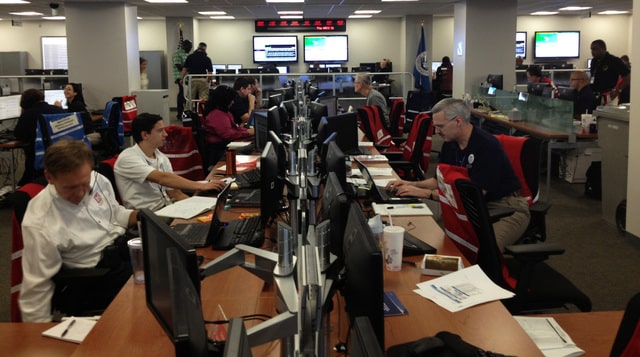
FEMA NRCC

July 7, 2014 By //  by Bryan Strawser

On October 29, 2012, Hurricane Sandy came ashore in New Jersey (USA) as a strong, slow moving Category I hurricane. At the time, the author was the Head of Global Crisis Management & Business Continuity for one of the world’s largest retailers. In Sandy’s path that day lay more than 200 of our stores, multiple distribution centers, and the two datacenters powering our e-commerce website. Most importantly, tens of thousands of our employees were in harm’s way as the storm rushed ashore.

We knew, however, that we were not in this fight alone.
WAYlTTcSWclkeF68_kk1yRqwLwHjcCH2N7Zryifeshn-r77UHUUE0moHk-UehUjkC-V3KQGy-qU6edOZdD0xZzY=s0 Resilient Communities Need Public/Private Partnerships to Survive

Over the past decade, we’ve come to realize that for a community to truly be resilient against a natural disaster, public and private sector entities must work together and share information in a collaborative and transparent manner.

For the three years leading up to Hurricane Sandy, local, state, and federal emergency management agencies had embraced outreach and joint planning with the private sector. The private sector, particularly the retail and utility sectors, had embraced this new approach with open arms. The result has been a strong set of partnerships between the public and private sectors that was apparent throughout the preparation, response, and recovery for Hurricane Sandy.

For example, for several days prior to landfall, public and private sector entities were exchanging information through pre-defined channels. Emergency management agencies were sharing situational updates, storm path updates, and plans for road closures and evacuation areas long before landfall. Private sector companies were sharing their plans for facility closure, employee evacuations, positioning of recovery supplies, and post-landfall response plans. This collaborative and transparent approach provided broader situational clarity for both the public and private sectors and helped avoid confusion later during the more chaotic response phase of the situation.

As the storm began to dissipate and its impact in New Jersey, New York, and other states became clearer, public and private sector entities remained in close contact. The Federal Emergency Management Agency (FEMA) had activated their new National Business Emergency Operations Center (NBEOC) as a component within FEMA’s National Response & Coordination Center (NRCC). The NRCC consolidated a number of federal and state agency reports into one, easy-to-read report for the private sector to digest. At the same time, private sector entities were sending information to the NBEOC that were consolidated and shared at the highest levels of state and federal government. This information helped provide an understanding of the storm’s impact on the private sector.

More importantly, this information helped FEMA and other public sector emergency management agencies make decisions for the distribution of supplies and other resources.

For example, as a major retailer, my employer at the time was able to quickly bring in significant amounts of ice, water, and recovery supplies for both donation and sale at nearly two hundred locations within 24-48 hours after landfall. Emergency management agencies could distribute supplies elsewhere strategically with this information in hand, knowing that needed supplies were available at several locations already. This made for more efficient decision-making and a more coordinated response process.

This close coordination between the public and private sector throughout all phases of business continuity and emergency management was shown to be effective during Hurricane Sandy in the United States. This approach allowed for a significantly faster and more efficient response and recovery of private sector capabilities, helping to ease the burden on emergency management agencies in the public sector – leading to faster economic recovery for the impacted areas.

While opportunities exist to continue to mature the interaction between public and private sector entities, this close coordination and transparent communication will be a requirement to build resilient communities, companies, and nations.


Originally published in the Asian Disaster Preparedness News – June 23rd, 2014.

Category: Business Continuity, Crisis Management, Emergency Planning & Exercises, Public/Private PartnershipsTag: ADPC, Asian Disaster Preparedness News, FEMA, FEMA Private Sector Office, Hurricane Sandy, NBEOC, NEMA, NRCC, partnerships, public/private partnerships, Target

About Bryan Strawser

Bryan Strawser is Founder, Principal, and Chief Executive at Bryghtpath LLC, a strategic advisory firm he founded in 2014. He has more than twenty-five years of experience in the areas of, business continuity, disaster recovery, crisis management, enterprise risk, intelligence, and crisis communications.

At Bryghtpath, Bryan leads a team of experts that offer strategic counsel and support to the world’s leading brands, public sector agencies, and nonprofit organizations to strategically navigate uncertainty and disruption.

Learn more about Bryan at this link.

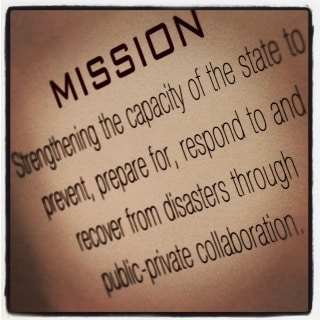
Next Post: Public/Private Partnerships – An overview Mission Graphic»

Primary Sidebar

Article Categories

  • Active Shooter Programs
  • Bryghtpath Live
  • Business Continuity
  • Crisis Communications
  • Crisis Management
  • Crisis Playbook
  • Cybersecurity
  • Disaster Recovery
  • Emergency Planning & Exercises
  • Information Security
  • Inside Bryghtpath
  • Intelligence & Global Security
  • Journal Articles
  • Managing Uncertainty Podcast
  • Media Mentions
  • Opinion
  • Organizational Resilience
  • Presentations
  • Press Releases
  • Public Health
  • Public/Private Partnerships
  • Publications
  • Speaking
  • Training
  • Uncategorized
  • Webinars
  • Whitepapers
  • Workplace Violence

Footer

Contact

BRYGHTPATH LLC
+1.612.235.6435

PO Box 131416
Saint Paul, MN 55113
USA


contact@bryghtpath.com

  • Facebook
  • LinkedIn
  • RSS
  • Twitter
  • YouTube

Our Capabilities

  • Business Continuity
    • Business Continuity as a Service (BCaaS)
    • Business Continuity Software
    • Coaching
    • IT Disaster Recovery Consulting Services
    • Resiliency Diagnosis®️
  • Crisis Communications
  • Crisis Management
    • Crisis Exercises
    • Cyber Crisis Exercises
    • Cyber Incident Response Planning
    • Global Security Operations Center (GSOC)
  • Speaking
  • Training

Our Free Courses

Business Continuity 101

Crisis Communications 101

Crisis Management 101

Our Products

After-Action Templates

Books

Business Continuity Plan Templates

Communications & Awareness Collateral Packages

Crisis Plan Templates

Crisis Playbook®

Disaster Recovery Templates

Exercise in a Box®

Exercise in a Day®

Maturity Models

Ready-Made Crisis Plans

Resilience Job Descriptions

Pre-made Processes & Templates

Site Footer

This work is licensed under a Creative Commons Attribution-ShareAlike 4.0 International License.


Bryghtpath®, Crisis Management Academy®, Crisis Playbook®, Exercise in a Box®, Exercise in a Day®, Resiliency Diagnosis®, Resilience Operating Model®
and their respective logos are registered trademarks of Bryghtpath LLC in the United States and other countries.


About Bryghtpath LLC | Disclaimer | Privacy | Status Page | Terms of Use

Proudly powered by Mai Theme, the Genesis Framework, and Wordpress.